Vox.com: "Do Presidential Debates Matter? Here's the Political Science Evidence."
 1. Right before the first debate, how close was the race? How much do debates typically impact the polls?
Clinton was leading Trump by 3 percentage points. Debates can make small but impactful changes in the poll especially when the race is tight as it is this time.
2. Why are these debates less important than the debates that take place in the primaries?
In the primaries, the public is generally unfamiliar with the nominees, so making lasting impressions during the primaries is crucial for a politician to want to succeed in the future. However, by the time presidential polls come around, most viewers have already decided who they will vote for and will not usually change their minds.
3. Why can we not be sure that the debates themselves are what causes changes in the polls during the debate season?
There are too many confounding factors to extrapolate a cause-and-effect relationship between debates and the polls. The circumstances of the country, whether it is economic status or social climate, all play into minor poll changes that occur around debate season.
4. How was the Obama-Romney campaign affected by the first debate?
Obama lost his 4-percentage point lead to Romney after a poor first debate.
5. What aspects of Richard Nixon & Al Gore's debate performances may have swung the outcome of elections? Is this related to how they would perform as president in any way?
Nixon had an unappealing public image during his debates against JFK, sweating and without TV makeup, which impacted the outcome. Al Gore gave an infamously loud sigh during his debate which cost him the election to Bush. However, these were both stylistic reasons and do not indicate their credentials as president.
6. How might low expectations of Trump's performance end up helping him?
Because Trump was deemed too ridiculous to be of worth, many people saw him as unlike the typical, sly, lying "politician" persona and more of an "ordinary" person, which won him voters.
7. How can the media impact what people think about the performances in the debate?
The media can actually influence people's reaction to debates even more than the debate itself by selecting specific moment in the debate to highlight.
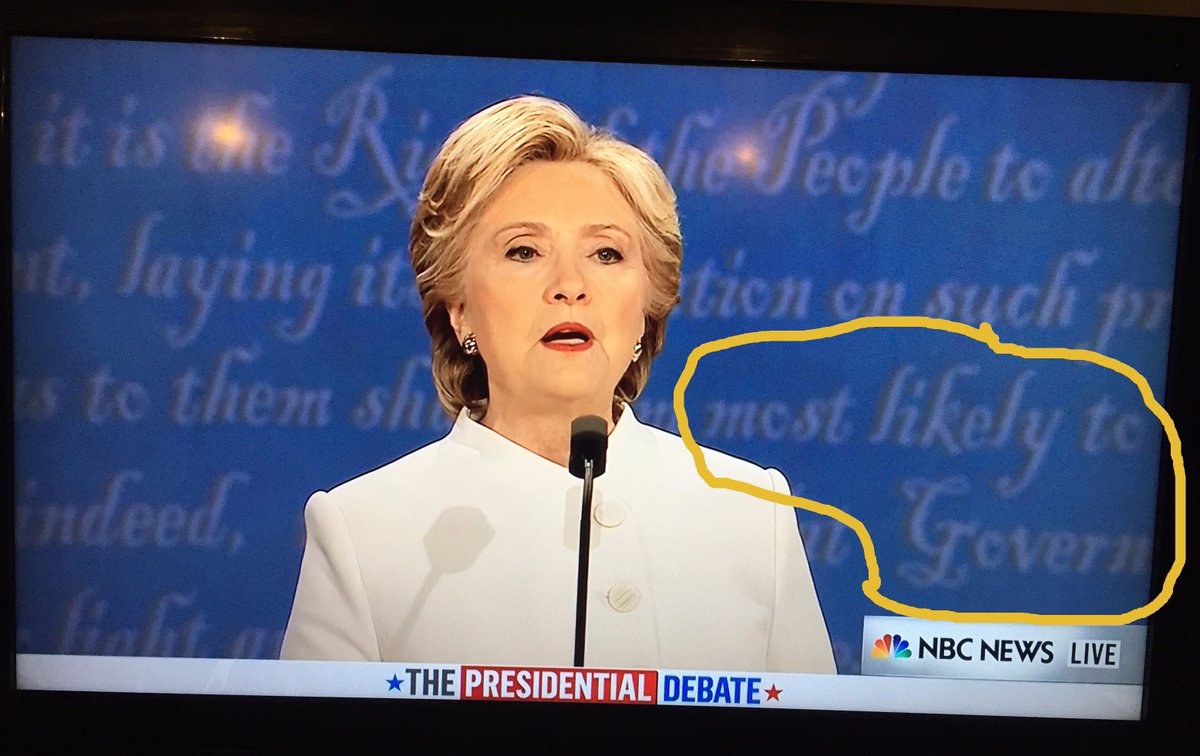
8. How did the Arizona State study measure the media's effects on people's perception? What was the result of their study?
They got three groups of people, showing one group an entire 90-minute debate between George Bush and John Kerry in 2004, one an entire debate plus a 20-minute NBC commentary, and the final group an entire debate plus a 20-minute CNN commentary. They saw that those who just watched the debate and those who watched the debate with CNN commentary thought Kerry won the debate, while those watching the debate with NBC commentary though Bush won.

No comments:
Post a Comment